
More than half of Romanians have a direct or family connection to the diaspora, according to the Diaspora BAROMETER, a study conducted by INSCOP Research for Banca Transilvania Group. Family, money, properties, and professional relationships are what maintain their connection to Romania. More than that, migration increasingly means mobility, not just a definitive choice between Romania and another country.
Research formed the basis for creating a complex index that groups Romania's population into four categories, based on their connection to the diaspora:
- People who have lived or live abroad;
- People who have close relatives who have lived or live in other countries;
- People who are studying or have studied abroad;
- People who have no connections or have limited connections with the diaspora.
According to the BAROMETER, the diaspora is increasingly connected to Romania:
- The migration experience is part of the social fabric of our country, either through Romanians who have lived abroad or through families and personal networks. Currently, 56% of Romanians have ties to the diaspora.
- From abroad, connections with Romania continue through family, properties, money sent home, banking solutions used, professional relationships, and civic participation. Leaving for abroad no longer means detaching from Romania.
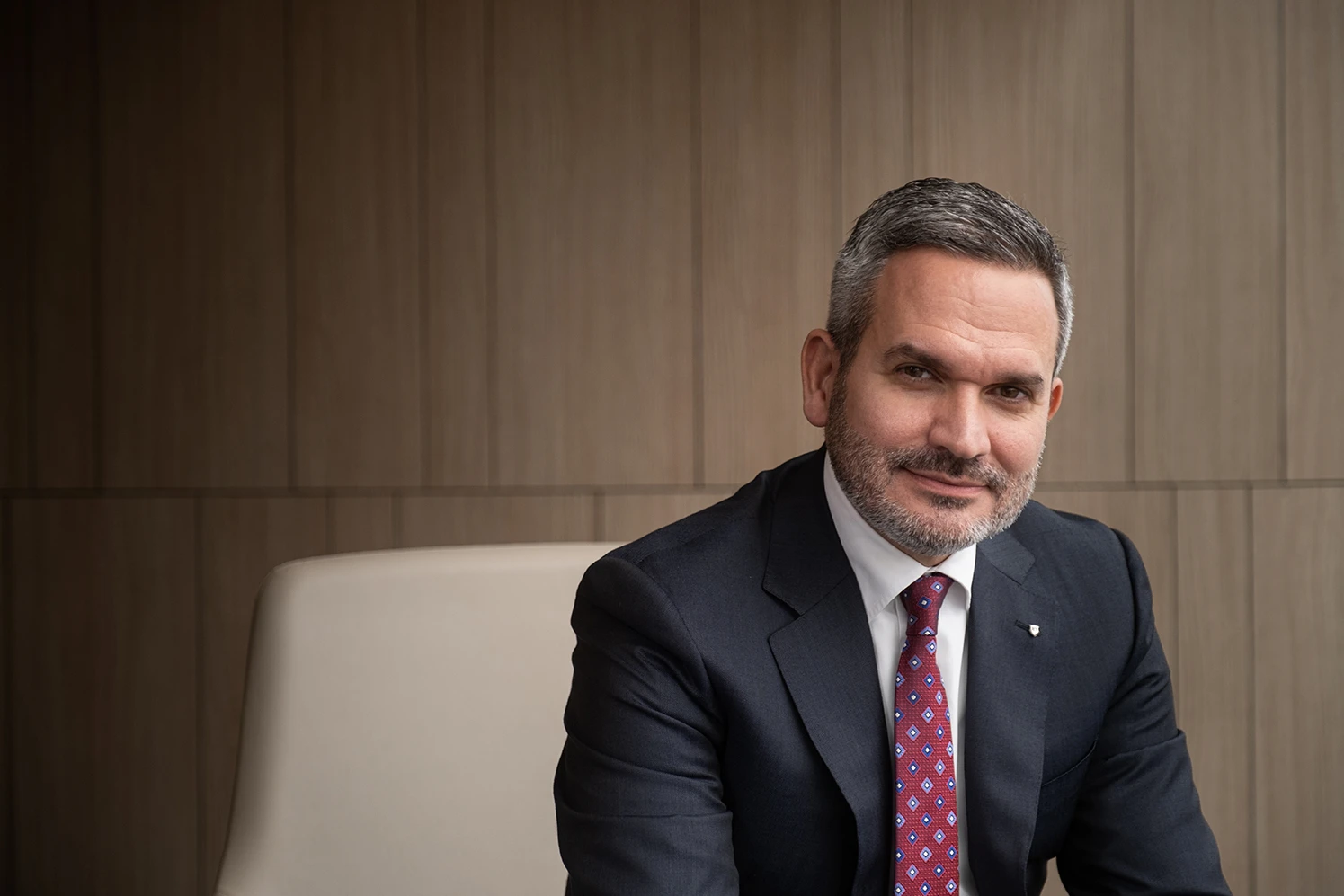
Banca Transilvania has a special interest in the diaspora. We view it both from a business perspective, through increasingly better products and applications for the diaspora, and through the role we can play in maintaining the connection with Romania. It is also a matter of national pride: we want to be close to Romanians everywhere and, if they choose to return home, to support them including through financing solutions. In recent years, we have learned a great deal from direct relationships with diaspora clients, including through events and visits we frequently hold in countries with strong Romanian communities.
Ömer Tetik
General Manager
Banca Transylvania

Overall, the results of the DIASPORA BAROMETER show that the diaspora can no longer be understood as a reality outside Romanian society, but as an organic extension of it. The migration experience has deeply entered the social fabric of Romania. Leaving abroad often does not mean breaking ties with the country. The relationship with Romania continues through family, property and assets, financial transfers, use of banking services, professional connections, and active participation in civic life. The BAROMETER describes not only a Romania from which there has been massive emigration but also a living society for which borders have blurred. A significant part of the population lives, directly or through close ones, with landmarks, relationships, resources, and opportunities distributed between Romania and abroad. This reality influences how people evaluate their country, build their life projects, support their families, and envision the future of the next generation.
Remus Ștefureac
CEO and Founder
INSCOP Research
Family keeps Romanians close everywhere
Family is one of the strongest bonds between the diaspora and Romania. Over 17% of respondents have children currently living abroad.
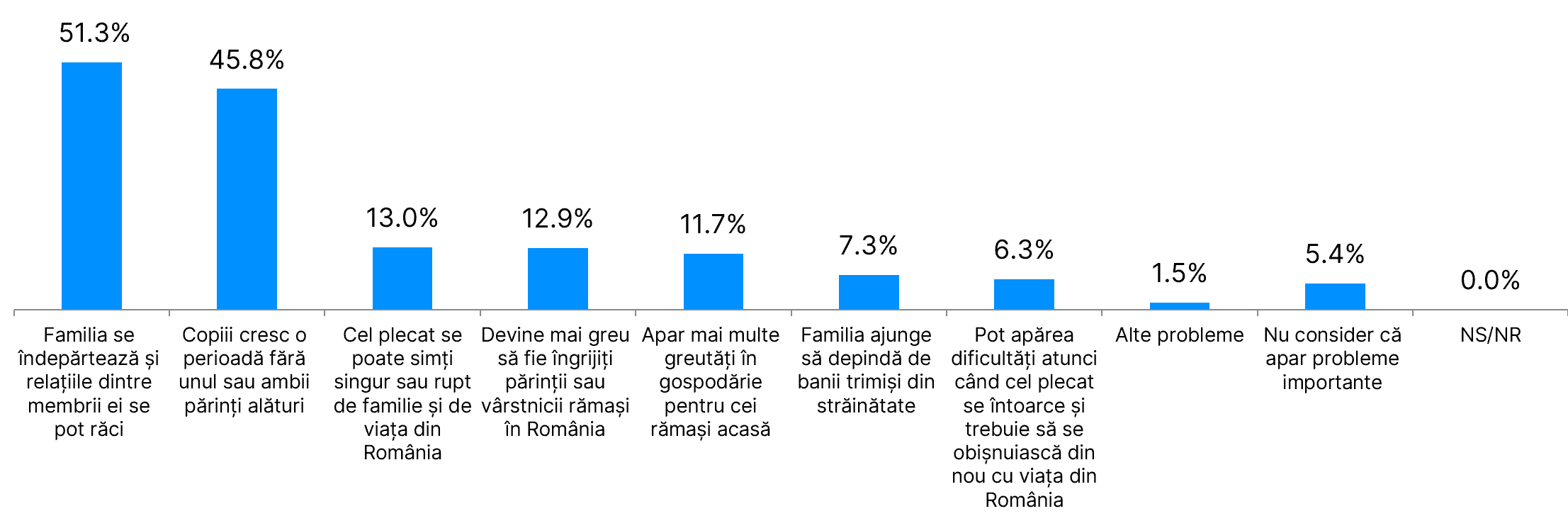
Migration brings significant economic benefits for families left behind, but also certain negative aspects, with responses indicating that migration solves material problems but can entail emotional and family costs that money cannot compensate.
- Approximately 51% of respondents mention the cooling of certain relationships.
- ≈46% refer to the situation of children growing up without one or both parents.
Money moves with people
The relationship between Romania and the diaspora is also financial in nature, with money sent to Romania being a way to support the family.
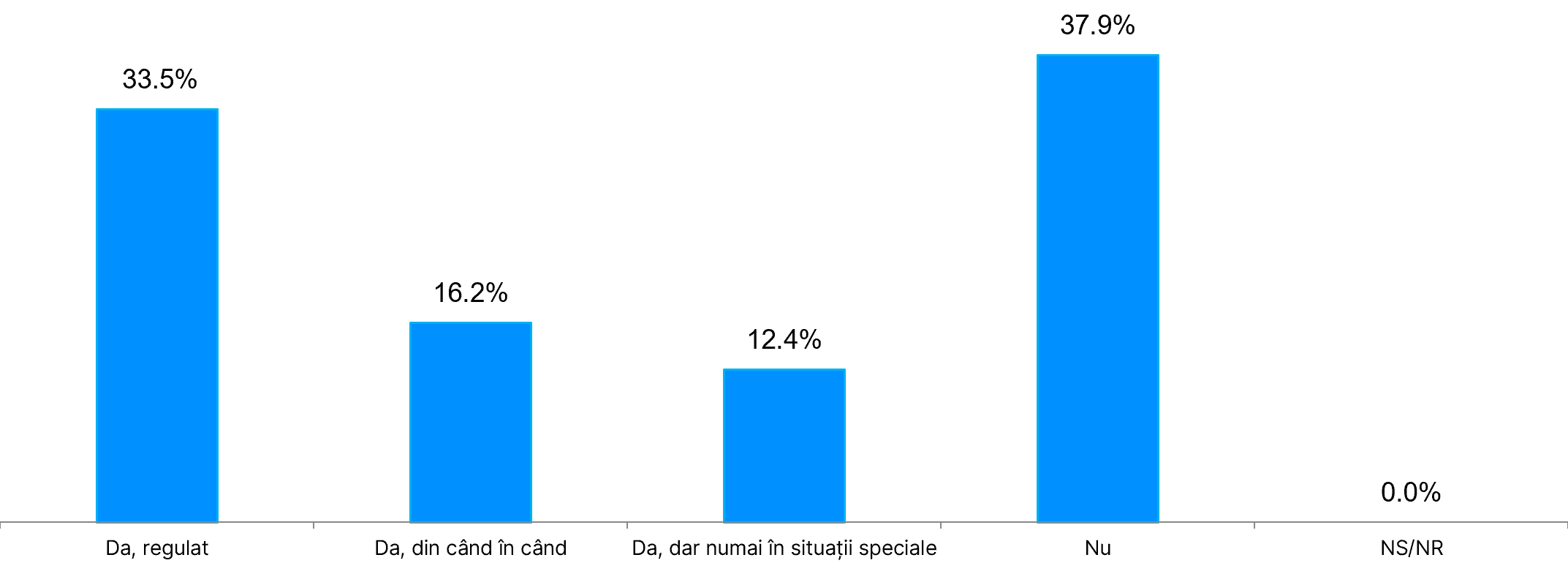
- Over 60% of those who live or have lived abroad have sent money to Romania.
- Approximately 33% of people who have sent/are sending money to Romania have done so consistently. The money was mainly intended for family needs – current expenses, education, health, housing, and payment of obligations.
Coming home depends mainly on opportunities
The study shows that returning to Romania is primarily driven by economic prospects and quality of life.
- Almost 41% of respondents cite better salaries and jobs in Romania as reasons to return to the country.
- Approximately 32% mention closeness to family.
- ≈20% mention, as a condition, the improvement of living conditions and public services.
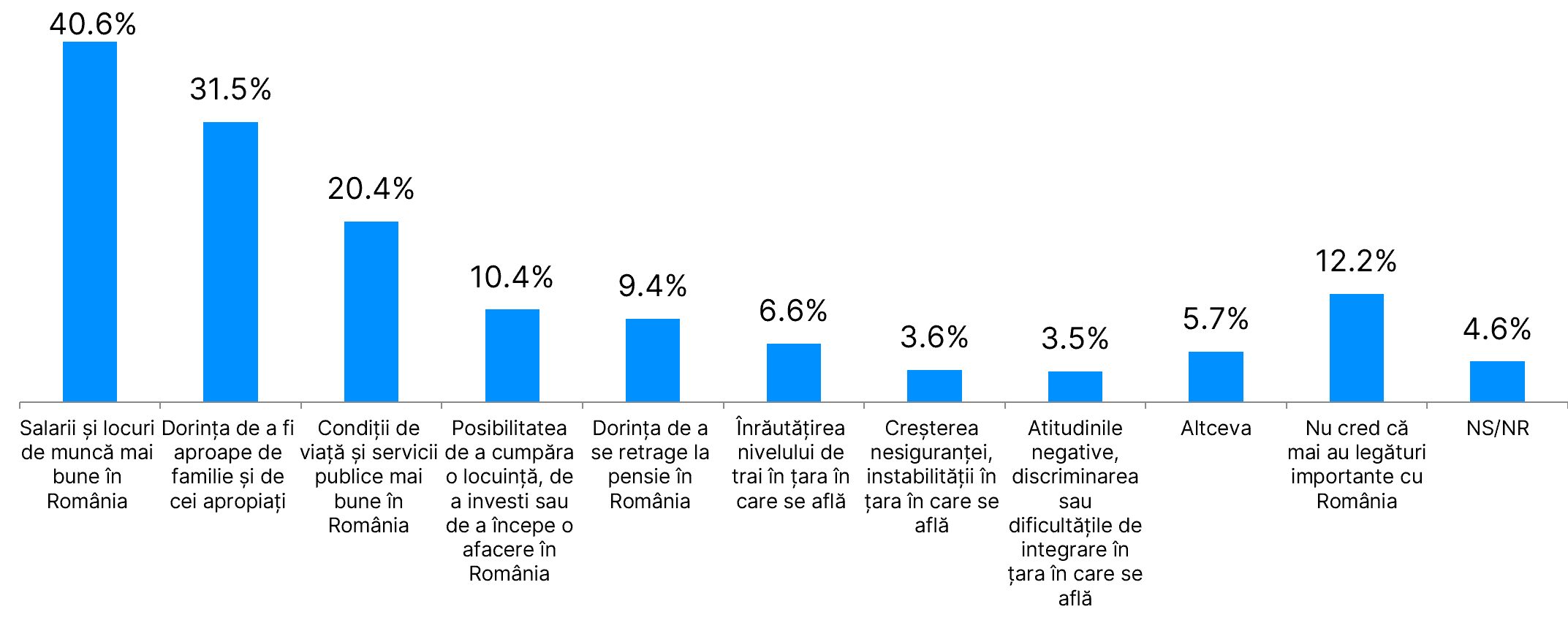
Attachment to Romania remains relevant, but the decision to return also depends greatly on the extent to which our country can become a competitive option for the life Romanians in the diaspora want to build for themselves and their families.
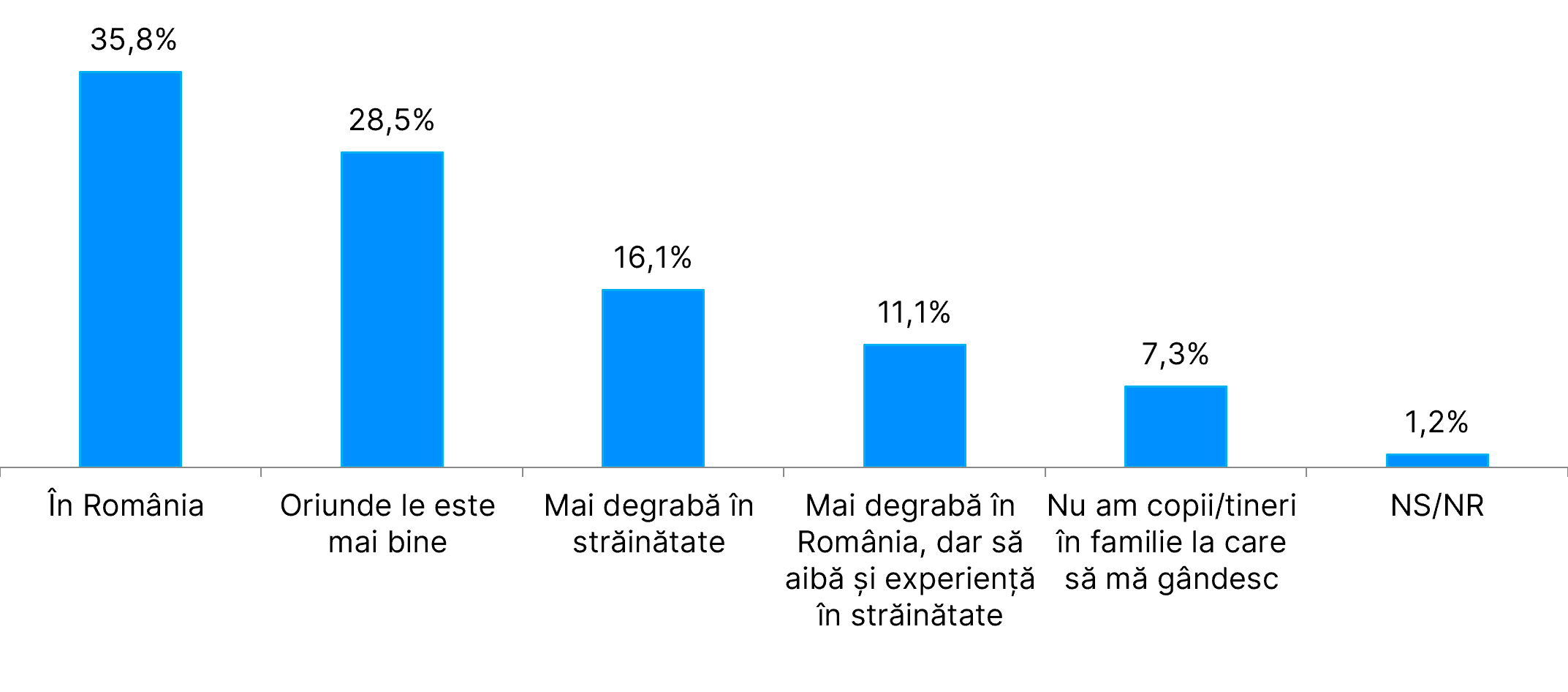
The generation for which the future is less about geography
The study captures yet another shift in perspective on generations:
- Approximately 36% of respondents would like the future of the children or young people in their family to be built in Romania.
- ≈29% answered "wherever is best for them".
- ≈16% prefer to be abroad.
Study methodology
Data were collected between August and September 2026 through telephone interviews (CATI), based on a questionnaire. The study was conducted on a random sample of over 1,400 individuals, representative of Romania's non-institutionalized population aged 18 and over, from the perspective of the main socio-demographic categories: gender, age, and occupation. The maximum allowable error is ± 2.6%, at a 95% confidence level.
The full version of the Diaspora BAROMETER will be presented by the end of the year.